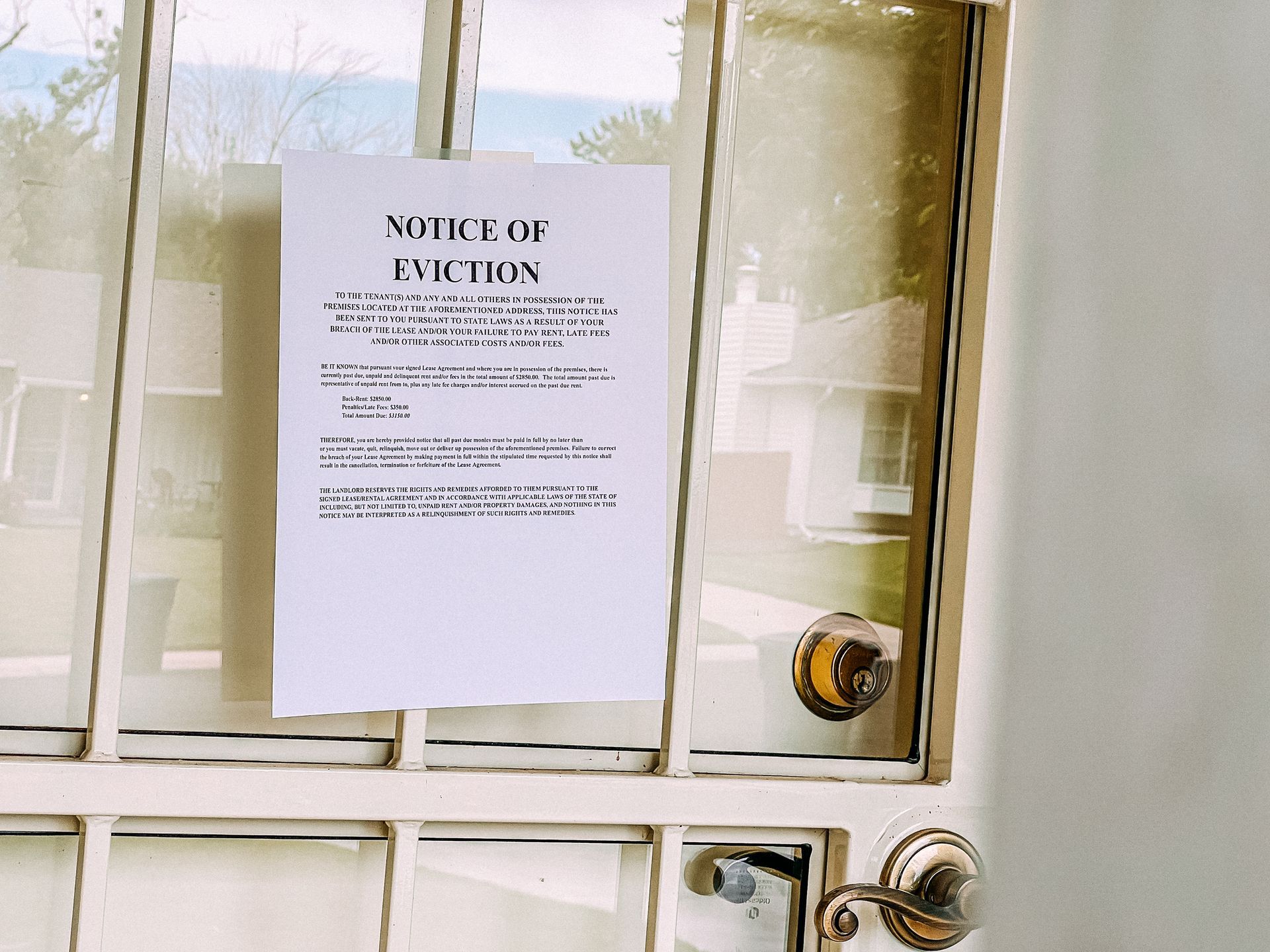
Costly Unlawful Detainer Mistakes Temecula Landlords Make
Many Temecula, CA, landlords start an unlawful detainer with good reasons and still lose time. An unlawful detainer is the court case used to recover possession of a rental unit. Small errors in the notice, the service, or the filing can force a landlord to start over. This guide covers the mistakes that cause the most avoidable delay and how to prevent each one.
Using the Wrong Notice Type
Every eviction begins with a notice, and the notice must match the reason for the case. A 3-day notice to pay rent or quit is used for nonpayment. A notice to cure or quit applies to curable lease violations, such as an unapproved occupant. An unconditional notice to quit is used for serious violations that cannot be cured. Choosing the wrong type is one of the most common reasons a case is dismissed or has to be restarted.
Miscounting Notice Periods
Each notice has a required waiting period, and the count must be exact. Calendar errors can make a notice defective, even when the reason for eviction is sound. Count the days carefully, confirm whether weekends or holidays affect the deadline, and keep a dated record of when and how the notice was delivered.
Accepting Rent After a Notice
A landlord who accepts rent after a notice period expires may waive the notice. Many landlords accept a partial payment out of goodwill without realizing the effect. Before you accept any money from a tenant who has received a notice, confirm how the payment affects the case. Put any agreement with the tenant in writing. Ask an attorney how a payment will be treated before you accept it, rather than guessing.
Serving the Papers the Wrong Way
The tenant must receive the eviction lawsuit through a method that California law allows. Leaving papers with a neighbor, mailing them without the required steps, or serving someone who does not live in the unit can make service defective. Defective service often means the case must begin again. Use a process server or follow the statutory steps exactly, and document each attempt.
Filing in the Wrong Place
In Temecula, eviction cases are filed at the Southwest Justice Center in Murrieta. The separate Temecula Courthouse on County Center Drive handles probate matters, not evictions. Filing at the wrong location can add weeks of delay before the case even begins. Confirm the correct venue for your property before you file, and check the current court requirements, since assignments can change. A short call to the court clerk can confirm the location before any papers are filed.
Taking Self-Help Action
Changing the locks, removing a tenant's belongings, or shutting off utilities is not a lawful substitute for the court process. These steps can expose the landlord to damages and can give the tenant grounds to fight the eviction. Even when a tenant has clearly broken the lease or stopped paying rent, the only lawful path to recovering possession runs through the court and the sheriff.
Skipping the Paper Trail
A case is only as strong as its records. Landlords often lose time because they cannot quickly produce the signed lease, the rent ledger, or copies of each notice and its proof of delivery. Keep these documents in one place, and record every written message with the tenant. Organized records make it easier to respond if the tenant files an answer and the case becomes contested. Good habits also protect a landlord if the tenant later disputes the timeline or the notice. A simple folder with dated copies can settle many questions before they reach the judge.
Overlooking Tenant Protections
California law adds rules that can change an unlawful detainer. Under the state's Tenant Protection Act, many properties require a just-cause reason to end a tenancy once a tenant has lived there for 12 continuous months. Some single-family homes and condos can be exempt if the landlord gave proper written notice at the start of the lease. Confirm whether the property is covered before you serve any notice, because an exemption you assumed may not apply.
Preparing Poorly for a Contested Case
Many landlords plan only for an uncontested case. If the tenant files an answer, the case can move toward trial, and the landlord must then present evidence of the lease, the rent history, and proper notice. Gathering that evidence after the answer arrives takes time and can weaken the case. Prepare the file from the start, as if the tenant will contest, and the case is more likely to move forward on schedule.
Talk With a Local Attorney Before You Serve a Notice
Most mistakes in an unlawful detainer can be avoided with a careful review before the first notice goes out. The Law Office of Robert P. Karwin serves landlords in Temecula, CA, from its Menifee office. You can also view the firm's Google Business Profile. Call (951) 246-4514 to talk through your situation. You can also review the firm's unlawful detainer services or contact the firm to request a free case review.